Seven paths. Different strengths. Make your choice with the numbers in front of you.
Choose 2 or 3 tribes
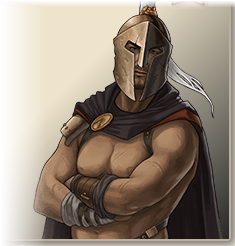
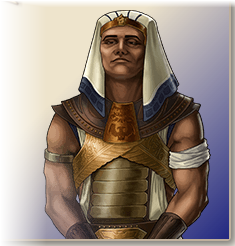
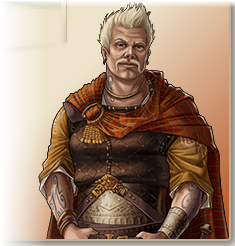
✓GaulsRomansThree tribes selected. Remove one to add another.TeutonsThree tribes selected. Remove one to add another.✓EgyptiansHunsThree tribes selected. Remove one to add another.✓SpartansVikingsThree tribes selected. Remove one to add another.
Add a third tribe to change a pair, then remove one. Selected chips show a check mark. Links preserve your selection.
Share this comparison — Copy the page URL to share this selection.
The Phalanx offers a practical defensive foundation.
Theutates Thunder gives this roster a fast raiding option.
Enhanced Cranny protection and the Trapper support a guarded opening.
Weaknesses
Starting infantry has low attack power.
Fast cavalry still needs research, infrastructure and resources.
Traps and protected resources do not replace an army or allies.
Military
Highlights show the best of the selected tribes. Lower is better for cost per attack point; higher is better for the other summary rows. Equal values share the highlight.
Bars use the maximum across all seven tribes, even when only two are selected. Cost efficiency uses the inverse ratio (best cost ÷ cost).
Summary records exclude scouts, siege and expansion units. Average defense is (infantry defense + cavalry defense) ÷ 2. Role representatives below are derived from the roster: highest anti-cavalry defense among infantry, highest attack among cavalry, and highest average defense among cavalry. One unit can appear in more than one role; this does not imply a special bonus.
Strengths at a glance
SpartansEgyptiansGauls
Attack = highest combat-unit attack; defense = highest combat-unit average defense; speed = fastest combat unit; logistics = merchant capacity × merchant speed. These four axes are percentages of the seven-tribe maximum. *Beginner friendliness is an editorial 1–5 rating, scaled to 100; it is not an engine stat. The table provides the same values in text.
Summary records exclude scouts, siege and expansion units. Average defense is (infantry defense + cavalry defense) ÷ 2. Role representatives below are derived from the roster: highest anti-cavalry defense among infantry, highest attack among cavalry, and highest average defense among cavalry. One unit can appear in more than one role; this does not imply a special bonus.
In the role tables, lower resource cost, upkeep and training time are highlighted; higher attack, defenses, speed and carry are highlighted.
Merchant values exclude the Trade Office and other bonuses. Cranny values are per resource, before the Teuton attack modifier. Wall values use the rounded troop multiplier in battle resolution. Construction counts exclude Plus and master queues. See each tribe guide for special-building effects. Chief ranges are highlighted by their maximum base reduction.
Spartans
Big Hospital
Spartans and Vikings use the Big Hospital instead of the standard Hospital. Its recovery share and storage are larger; it still needs surviving infrastructure and resources to heal troops.
Egyptians
Waterworks
Waterworks increases the annexed oasis bonus by 5% relative per level: a 25% resource bonus becomes 50% at level 20. It requires a level 10 Hero’s Mansion.
Gauls
Trapper
The Trapper captures attacking troops in available traps. It is a defensive tool to support your army and diplomacy.
Source files and calculation notes
Numeric cells expose their source file and key on focus or hover. Download the JSON for all unit, building and mechanic references. History, tutorials, profiles and beginner ratings are editorial.